A fresh coat of paint always looks amazing the day the rollers are packed away. The catch is that cutting corners on the groundwork will completely wreck that beautiful finish in a matter of months, leaving you with sudden, ugly splits along the seams. Peeling edges become impossible to ignore. Uneven patches also steal attention from an otherwise beautiful room. Therefore, proper Surface Preparation becomes the silent hero behind every flawless finish around Melbourne homes.
Changing weather conditions across Melbourne create additional pressure on painted walls. Moisture, dust, heat, and cold air constantly challenge paint durability. Because of this, careful Surface Preparation before painting matters more than many property owners realise. Smooth finishes rarely happen by accident. Instead, every polished wall usually starts with cleaning, sanding, repairing, and priming.
Professional painters understand one simple truth. Your finish is only ever going to look as good as the raw wall hiding underneath it. Spending the time to sort out proper Surface Preparation gives you laser-straight cutting lines, beautiful depth of color, and a surface that easily stands up to years of daily wear and tear. Getting a flawless result relies entirely on the work you put in long before you open a single tin of color.
Why Surface Preparation Matters Before Painting
Surface Preparation creates the foundation for every successful painting project. Without it, even premium paint products struggle to last. Dust, grease, moisture, and damaged surfaces reduce paint adhesion almost immediately. As a result, bubbling and peeling become common problems.
Melbourne properties often face unpredictable weather shifts. Humidity during winter and harsh sunlight in summer affect painted surfaces differently. Therefore, walls require stable and clean foundations before any coating begins. Proper Surface Preparation also helps painted surfaces handle long-term weather exposure more effectively. Paint applied over damaged surfaces rarely survives long-term exposure.
Going through a thorough wall sanding process is the best trick for leveling out the physical texture of your plasterboard. It knocks down the high spots and feathers out the edges of old, surviving layers so your new coats slide on flawlessly without leaving random ridges or patchy texturing across the room. Careful Surface Preparation also improves the consistency and smoothness of every final coat.
Taking care of your paint surface cleaning gets rid of all the invisible film and grit that stops a fresh coat from grabbing hold of the wall. Even a microscopic layer of fine drywall dust will ruin your bonding, which is why proper Surface Preparation lifts the total lifespan of the job while making the room look incredible.
| Surface Issue | Impact on Paint Finish |
| Dust and dirt | Weak paint adhesion |
| Cracks and holes | Uneven appearance |
| Moisture damage | Paint bubbling |
| Old flaky paint | Premature peeling |
| Grease stains | Discolouration |
The Role of Cleaning in Surface Preparation
Interior walls pick up a shocking amount of invisible grime over the years. Kitchen grease mist, woodsmoke film, oily handprints, and floating dust build up into a slick barrier that prevents new coatings from bonding properly unless you give the space a deep washdown first.
Doing a thorough round of paint surface cleaning builds a perfectly stable foundation for your new finishes. Running a mild sugar soap wash over the plaster cuts through years of built-up grease, creating a uniform surface that allows your prep coats to soak into the substrate perfectly.
A lot of properties around Melbourne sit right on busy roads where traffic soot and outdoor dust settle heavily across the weatherboards. Because of that, your exterior facades need a serious pressure wash before you start rolling, ensuring proper Surface Preparation stops that traffic film from undermining your new paintwork down the track.
Leaving old stains alone is a massive gamble because things like water rings, old mold spores, and yellow nicotine marks love to bleed straight through three coats of new ceiling white. Spending the time to scrub them back and apply a stain-blocker is the only way to kill those marks for good.
Experienced tradespeople will tell you that washing the walls also gives you complete color accuracy across the room. Darker feature tones look incredibly sharp and deep, while soft whites look perfectly bright and crisp without any old yellow undertones muddying up the finish. Consequently, preparation directly affects the final visual quality.
How Sanding Creates Smooth and Professional Results
Sanding remains one of the most overlooked parts of Surface Preparation. Still, it dramatically improves the final appearance. Old flaking edges, rough plaster patches, and uneven roller stipple completely disappear when you know how to work your sanding blocks correctly.
Running through a proper wall sanding process flattens out any dinged corners while scratching up the old gloss so your new paint can actually bite into the surface. Careful Surface Preparation also ensures your finishes flow out smoothly instead of pooling around rough lips, which is the ultimate trick for cutting out annoying roller tracks once the walls dry.
Period homes around the inner Melbourne suburbs usually have a patchwork of different paint types from decades of quick renovations. Tearing into those walls with a sander feathers those old ridges into a single, uniform face, which instantly bounces the natural light beautifully and elevates the whole look of the room. Proper Surface Preparation also helps old surfaces blend seamlessly with fresh paint layers.
Doing a final pass with a fine-grit pad catches those tiny plaster transitions that look invisible from the front but stick out like a sore thumb when the morning sun streams across the wall. Effective Surface Preparation knocks those defects down early and cuts out glaring distractions long before you unbox your rollers.
Ask any seasoned trade specialist, and they’ll tell you that taking your time with the sander is what actually triples the lifespan of your paintwork. Giving the substrate a proper key stops early cracking and keeps your color completely uniform for years, and you can always look up the official Master Painters Australia directives to see how the industry regulates these exact prep layouts.
Primer Application Strengthens Paint Durability
Think of your primer application as the invisible anchor layer working hard right beneath your topcoats. While plenty of DIYers try to skip this step to save an hour, a good undercoat is what rules your overall adhesion, sheen uniformity, and wear-resistance, making any Surface Preparation entirely unfinished without it.
Raw plaster sheets, fresh patching compounds, and porous multi-boards suck up moisture like a sponge if you don’t seal them first, leaving you with an ugly, flashing finish full of flat spots and uneven color. Rolling on a quality undercoat locks up that porous suction so your topcoats dry at a completely even rate across the room.
The extreme weather shifts we get around Melbourne cause a lot of structural movement behind your plasterboards, with frames stretching a touch in January and tightening up in July. Because of that, a proper primer application gives your walls a flexible foundation that stabilizes the substrate before you roll on your premium colors.
Sorting out your exterior surface repair usually requires picking out highly specific, technical primers to seal the building envelope from the weather. Treating split weatherboards or sun-baked timber with a high-build, moisture-blocking undercoat before painting is the only way to stop rot and add a decade to the lifespan of your outdoor painting.
Laying down a solid undercoat also slashes your ongoing maintenance overheads, keeping your colors bright and solid for years so you don’t have to keep pulling out the ladder for touch-ups. As a result, property owners save money over time.
Common Surface Problems That Affect Paint Finishes
Many painting failures start beneath the visible surface. Cracks, mould, water damage, and loose plaster all interfere with paint adhesion. Consequently, untreated problems return quickly after repainting.
Approaching a job with a focus on Surface Preparation is how you spot hidden structural glitches before they turn into a major disaster. Fixing a tiny hairline fracture now stops deep moisture rot down the track, and staying on top of your exterior surface repair is non-negotiable after our heavy winter storm seasons down south.
Bad airflow inside bathrooms and kitchens is a fast way to ruin a paint job, as constant condensation slowly turns your plaster soft and chalky. That is exactly why proper prep work often involves a full anti-microbial mold wash and a waterproof sealer before you even think about picking up your main color.
Another everyday hurdle is trying to roll modern water-based acrylics over an old, slick oil-based gloss trim. The new paint will just slide around and peel off in sheets, but a deep sand down paired with a high-grip adhesion undercoat fixes that bonding issue completely.
Below is a quick comparison of prepared versus unprepared surfaces:
| Prepared Surface | Unprepared Surface |
| Smooth finish | Uneven texture |
| Strong durability | Early peeling |
| Better colour depth | Patchy appearance |
| Long-lasting results | Frequent repainting |
Why Professional Surface Preparation Delivers Better Results
A qualified trade team approaches its Surface Preparation with absolute precision and real patience. They ensure every single gap, old water stain, and rough patch is filled, sanded, and sealed before standard painting begins, which is the only way to get a laser-clean finish that stands the test of time.
Local painting crews understand our unique climate patterns back-to-front. A beachside home down the coast needs a totally different prep footprint than a rendered masonry terrace in the inner city, and tailoring your strategy to the specific material is how you get a bulletproof finish.
Your overall paint adhesion lifts completely when you rely on professional preparation methods. The plaster transforms into a glass-smooth surface, your colors look deeper and more accurate, and cleaning up everyday marks becomes a breeze. Plus, walls that have been prepped correctly handle extreme weather without peeling.
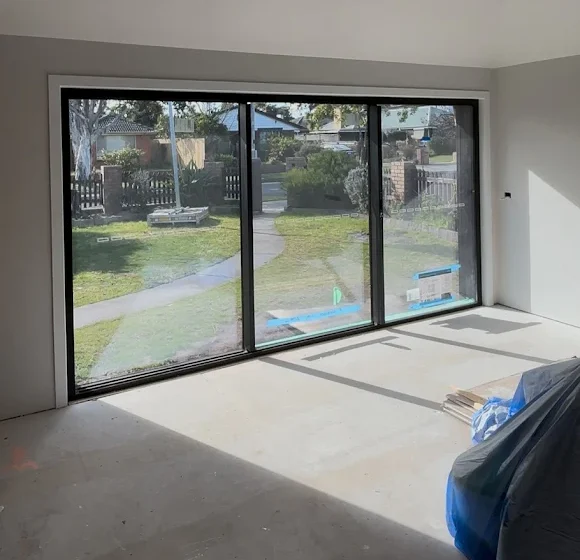
Current design choices are heavily focused on flawless, flat, minimalist finishes. A modern open-plan layout with huge windows will expose every single bump in the plaster the second the sun hits it, making the quality of your prep work the main thing ruling the final look.
Hiring a cheap crew for a rushed, two-coat splash job might save you a few bucks this week, but ignoring the prep work just guarantees you’ll be paying a premium to have the whole house scraped and repainted in a year’s time. Investing in detailed groundwork usually saves both time and money long-term.
Conclusion
Every impressive paint finish starts long before colour reaches the wall. Prioritizing your Surface Preparation is what builds the strength, flat profile, and weather protection needed to make a Melbourne home upgrade look premium for years. Scraping the walls clean, detailed sanding, a proper primer application, and solid trade patching all work hand-in-hand to get the best out of your topcoats.
Your color choices give the house its style and mood, but your prep work is what provides the actual horsepower behind the scenes. Laying down solid groundwork stops the film from blistering, peeling, or drying patchy, shielding your walls from our erratic local weather shifts.
Doing the job right completely changes the premium feel and value of your home. Straightening out old, wavy walls gives the whole property a crisp, luxury aesthetic, making an independent check-up something you want to sort out before a crisis hits. Getting a high-end finish you can count on comes down entirely to the quality of your contractor.
Contact us today – a premier local specialist, to get some straight-up advice and plan your project. Grab an honest quote today and turn worn, tired walls into pristine, durable surfaces built to last for decades.
Frequently Asked Questions
What is Surface Preparation in painting?
Surface Preparation covers everything from tracking down hidden short circuits and replacing melted main breakers to repairing blown safety switches and making a storm-damaged building completely safe after hours.
Why does paint peel without proper preparation?
Paint fails when a circuit gets overloaded, water gets into the fittings, or when your underlying wiring is brittle and decayed. Leaving these faults alone causes dangerous electrical fires, which is why booking rapid electrical emergency services stops a disaster before it starts.
How does sanding improve paint finishes?
Bringing in an emergency electrician Melbourne based clears up dangerous voltage drops and swaps out brittle, original cabling. As a result, your power moves cleanly through the building while ensuring your safety switches react instantly during a fault.
Is primer application always necessary before painting?
Booking regular commercial electrical repairs guarantees your three-phase plant equipment draws power safely without overloading your boards. It lowers your risk of operational downtime and protects expensive automated machinery from unexpected power spikes.
How long does Surface Preparation usually take?
The time on site always depends on how complex the fault is and the age of your wiring. A basic safety switch swap can be wrapped up in an hour, while tracing a hidden short across a massive industrial property involves a systematic diagnostic process.
Can Surface Preparation help exterior walls last longer?
Absolutely. Booking comprehensive residential electrical repairs protects your home from the elements, using weatherproof outdoor enclosures and surge protection to shield your appliances from heavy storm surges and water damage.