
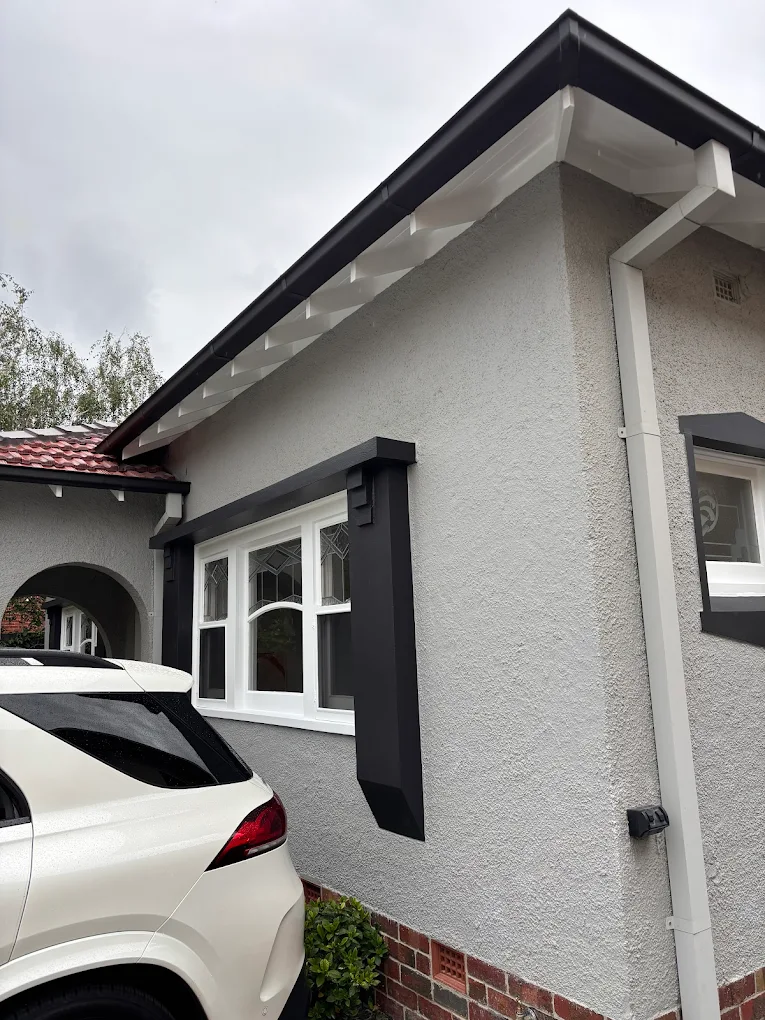
Have you ever stopped to admire your Bay-side view through those wooden or metal window frames, only to realise they look a bit tired? In Bayside Melbourne, where salt-laden sea breezes, blazing UV rays and wild weather put homes to the test, window frame painting is like giving your house a high-quality sunscreen. I’m a local painter who’s seen homes from Brighton to Sandringham, and I can tell you: keeping your window frames freshly painted isn’t just about good looks.
A professional window frame painting job actually shields timber and aluminium frames from damage that’s all too common around Port Phillip Bay. Let’s dive into why painting those frames matters – for both the beauty of your home and its longevity.
Window frames do more than hold glass. They lock out rain, keep pests out, and frame every beautiful view you wake up to. But in a city like Melbourne, the weather is famously unpredictable: hot sun, cold snaps, wind, rain…even dust storms. Over time, unprotected frames start to crack, peel or corrode.
Exterior window frame painting creates a barrier against all that: paint stops moisture from seeping into wood and aluminium and blocks harmful UV rays from bleaching or weakening the surface. In fact, think of paint as a “protective jacket” for your frames.
Just as a jacket keeps rain off your clothes, a good paint system keeps rain and dew off the frame, preventing the wood from swelling or the metal from corroding. In Bayside’s climate, this protection is essential. Salt spray from the bay and harsh summer sun can prematurely age even quality frames, so a fresh coat of paint every few years keeps them feeling (and looking) young.
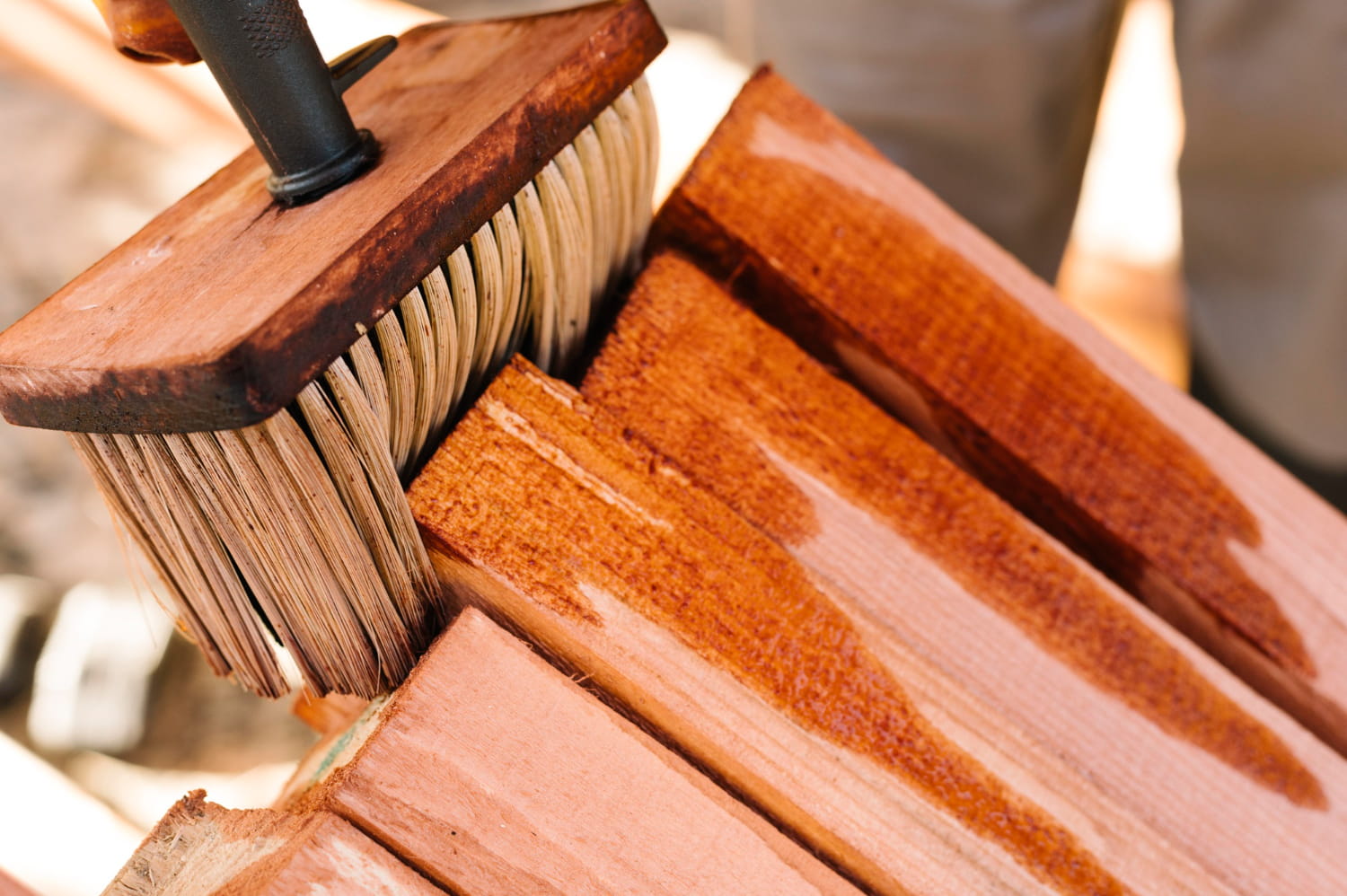
Why Timber Frames Need Painting
Timber window frames have a timeless appeal – they don’t conduct heat like metal, and they look beautiful. But wood is also a living material that drinks in the weather. Freshly cut wood, if left exposed, is like a sponge ready to soak up moisture from rain or fog. As it absorbs water, the timber can warp, swell and eventually rot. Worse, timber frames can attract pests like termites. In fact, Australian building codes explicitly mention that elements like window frames need termite management, or they’re at risk. Even a well-built frame can start to decay if it’s not sealed.
A professionally applied exterior paint system locks out this moisture. High-quality exterior timber window frame painting uses primers and paints designed to repel water while still letting the wood “breathe” so it doesn’t trap humidity inside. This slows down wood rot dramatically. Wood also fades and degrades under sunlight; paint contains UV-blockers that stop sunlight from breaking down the lignin in wood cells.
In short, each paint coat envelops the wood with a shield against the three big threats to wooden windows: UV, moisture and fungal decay. If you skip painting or use the wrong product, your frames can quickly show fuzzy grain, peeling or mold – a sure sign they’re crying out for attention.
But just slapping some colour on isn’t enough. Proper timber window frame restoration means preparing the wood first: sanding away old paint, repairing any soft or rotten bits, and applying a primer suited to timber. When that’s done, two good topcoats of exterior-grade enamel will give you roughly 5–7 years of protection in Melbourne, longer if you live in a less sunny spot.
I’ve measured frame moisture levels before painting – if wood has over 15% moisture, we hold off, because damp wood won’t bond with paint. So a professional will actually test and dry the timber before working on it. That kind of care stops peel and rot from coming back.
Aluminium Frames: Durable But Not Invincible
Aluminium window frames are popular in Bayside homes because they’re lightweight, strong and low-maintenance…at least compared to bare timber. Aluminium itself doesn’t rot or warp, but it isn’t indestructible. Coastal salt spray and humid air can cause the aluminium’s factory finish to chalk and corrode over time.
Tiny scratches or nicks let corrosion creep in. Plus, bare aluminium is a great conductor of heat, so a raw metal frame can let thermal energy slip in or out of your home – one reason older houses with single-glazed aluminium windows feel drafty. Even the colour can fade; some cheaper powder-coats will look patchy after a few years of sun.
Painting aluminium frames essentially gives them a brand new outer coat. Aluminium window frame painting is a bit trickier than timber, but when done right it adds years to the frames’ life. The key is preparation: the smooth factory finish on aluminium is too slick for paint to stick, so we lightly scuff or etch it and use a special self-etching primer. This chemically bonds to the metal surface.
Then we apply a durable acrylic or solvent-based topcoat meant for exterior metal. Skip the metal primer, and the paint can peel off within months. But when a professional does it, the result is a tough finish that resists scratches, corrosion and UV. After painting, aluminium frames not only look refreshed in the colour you chose, but they’re also sealed against moisture and weather. It’s like giving metal window frames a second life.
Preparation and Painting Steps
Even the best paint will fail without proper prep, so professionals treat window frame painting like a science project. First, we clean frames thoroughly – removing dirt, mold or any peeling paint. For timber, that means sanding back to raw wood in places; for aluminium, scrubbing and then lightly abrading the surface. Cracks or rotten timber get cut out and filled or replaced. Any dust is wiped off.
Here are the key steps for a durable frame paint job:
- Repair & Sand: Remove loose paint and smooth the surface. Cut out rotten wood or rust, and fill gaps or holes.
- Prime Appropriately: Use a wood primer on bare timber, or a zinc/metal primer on aluminium. The primer provides a bond and extra seal.
- Topcoats: Apply two or more coats of high-quality exterior paint. Enamel or acrylic finishes are common because they harden well.
- Detail Work: Pay special attention to edges, corners and joints – these can be entry points for moisture. We often “undercoat” edges before the final coats.
Each of these steps takes skill and time. It’s not paint-and-done in one afternoon; true weatherproofing requires patience. But this thorough approach means the finished job lasts much longer and protects your frames fully.
DIY vs. Professional Window Frame Painting
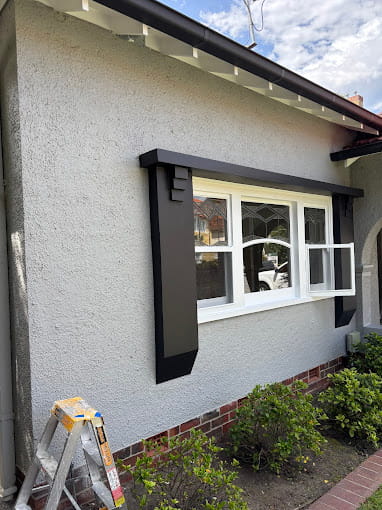
You might be tempted to grab a brush and tackle a few frames yourself (I’ve been there!). Small touch-ups on sound timber can be a DIY weekend project if you’re comfortable on a ladder. But most cases benefit from a pro’s touch. Why? Because the preparation is 90% of the battle. If your frames have any peeling, cracking, or unseen rot, a professional will catch and fix it before applying paint. On top of that, painting on a wobbly ladder or missing a primer step can lead to more headaches later.
For aluminium frames especially, I always recommend calling in experts. The etching primer and painting technique for metal is not obvious to a weekend warrior. A bad DIY paint job on aluminium often just peels off and looks worse than before. Even for timber, the right primer and paint combination is crucial; a cheap exterior paint could just bubble on damp wood. We’ve seen DIY attempts where owners painted over damp mildew – it just doesn’t stick or protect.
A reliable Bayside window frame painter will also take care of safety and access. Scaffolding or drop sheets keep your property clean and avoid accidents. They’ll match paint colours perfectly, repair frames properly, and even provide a warranty on their work. So while “window frame painting cost” might raise eyebrows, it’s really an investment. For example, at a professional rate, repainting a typical timber frame in Melbourne runs roughly $110–$250 per window, and about $200–$500 per aluminium frame. Compare that to thousands for new windows, and it usually pays off.
Choosing Paint and Maintenance
Not all paints are created equal. Best paint for window frames is usually a premium exterior enamel or acrylic with UV-resistant pigments. For timber, many pros use paints similar to those made for marine or exterior trim – they’re tough against sun and rain. We rarely recommend clear varnish for exteriors; sunlight would quickly break it down. For aluminium, water-based acrylics formulated for metal work well (with that primer). We also choose low-VOC or eco-friendly options when possible, since you and your family live right next to those frames.
Once painted, some maintenance can prolong life. Keep an eye out for chips or cracks (especially after big storms), and touch them up promptly to prevent bigger peeling. Clean frames gently with soap and water now and then – salt spray can leave a residue that slowly eats at paint. Regularly checking seals around the glass (if your windows have putty or gasket) ensures no leaks let water behind the frame.
In fact, we advise clients to inspect their painted frames annually, and consider a fresh coat about every 5-7 years for timber (a bit longer for quality aluminium finishes). This kind of window frame maintenance stops small issues before they grow.
Summary
In Bayside Melbourne’s tough climate, professional window frame painting is more than cosmetic – it’s crucial protection. We’ve seen firsthand how paint acts as a barrier, guarding timber against rot, moisture and pests, and shielding aluminium from corrosion and UV wear.
Good preparation – sanding, priming, choosing the right coatings – makes all the difference, and will give your home’s windows a new lease on life. Whether you have heritage hardwood sashes or modern aluminium profiles, a correct paint job will extend their lifespan by years, save you money on repairs, and keep your house looking sharp.
For Bayside homeowners, preserving your property means looking after every detail. Let us help you protect yours. Contact The Paint Pimp today for a free quote on window frame painting in Brighton, Sandringham or anywhere in Bayside. Our team will inspect your frames, explain the process, and show you how quality painting can make those frames last as long as your view.
FAQs For Window Frame Painting
1. How often should I repaint my window frames?
Timber window frames typically need repainting every 5–7 years, while aluminium frames usually last 8–10 years. Repaint sooner if you notice peeling, cracking, or fading.
2. Can I paint aluminium window frames myself?
Yes, but proper surface preparation and a self-etching metal primer are essential. For a long-lasting, professional finish, hiring an experienced painter is recommended.
3. What’s the best paint for timber window frames?
A premium exterior acrylic or enamel paint with a quality wood primer offers the best protection against weather, UV exposure, and moisture.
4. What’s the difference between repainting and restoring window frames?
Repainting refreshes the existing finish, while restoration includes repairing damage such as rot, cracks, or worn sections before painting.
5. Should I hire professional window frame painters?
Yes. Professional painters ensure proper preparation, durable coatings, and a high-quality finish that protects your window frames and extends their lifespan.