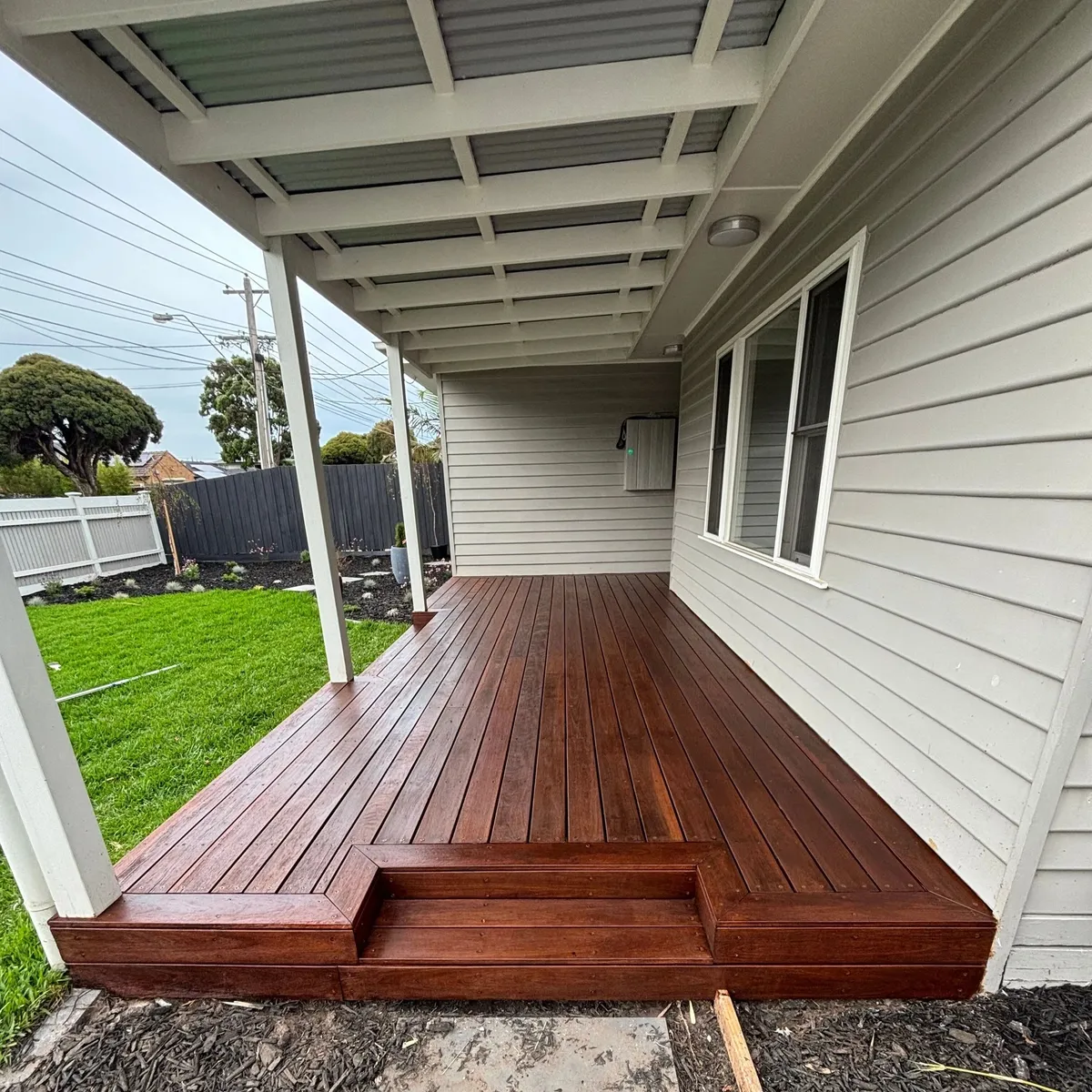
There’s something deeply satisfying about beautifully restored timber. You see it in the glow of a polished deck after summer rain, the warm grain of hardwood flooring catching the afternoon sun, or a weathered timber fence suddenly looking expensive again instead of exhausted. In Bayside Melbourne, where salty coastal air and unpredictable weather can chew through timber faster than you can say “weekend renovation,” professional Timber Restoration isn’t just cosmetic. It’s survival for your timber surfaces.
At The Paint Pimp, we’ve seen timber go from cracked, faded, and splintered to rich, durable, and almost showroom-worthy. The thing most homeowners don’t realise is this: timber rarely needs replacing as quickly as people think. More often, it simply needs proper restoration. Like a good leather jacket or a vintage surfboard, quality timber ages beautifully when it’s treated properly.
Why Timber Restoration Matters in Bayside Melbourne
Living around Bayside Melbourne has its perks. Beach mornings, relaxed cafés, sea breezes — it’s the Australian dream with better coffee. But those same coastal conditions are brutal on outdoor timber. UV exposure, moisture, salt residue, and fluctuating temperatures slowly strip away protective coatings and dry the timber from the inside out.
That’s where professional Timber Restoration changes everything. Restoration doesn’t just improve appearance. It strengthens timber, restores structural integrity, and extends lifespan dramatically. A professionally restored deck or timber façade can last years longer compared to untreated wood surfaces.
Many people confuse restoration with simple staining or repainting. They’re very different. Painting over damaged timber is like spraying deodorant instead of taking a shower. It hides the problem for a minute but never fixes it. Real Timber Restoration involves cleaning, repairing, sanding, treating, sealing, and protecting the timber properly.
What Happens During Professional Timber Restoration?
Professional Timber Restoration is a layered process designed to bring timber back to life without compromising its natural character. Every timber species behaves differently, which is why professional knowledge matters.
The Restoration Process Explained
| Stage | Purpose | Result |
| Timber Inspection | Identify damage, moisture, rot, or UV wear | Accurate restoration plan |
| Deep Cleaning | Remove grime, mould, old coatings | Clean timber surface |
| Sanding & Repairs | Smooth rough areas and repair defects | Stronger timber structure |
| Timber Treatment | Restore oils and nutrients | Richer colour and protection |
| Sealing & Finishing | Protect against weather and UV | Long-lasting finish |
When we perform Timber Restoration, we’re not trying to make timber look fake or overly glossy. The goal is to highlight the timber’s natural grain while protecting it against Melbourne’s climate. Think of it like tailoring a great suit — the craftsmanship should feel effortless even though it takes serious skill.
Signs Your Timber Needs Restoration
A lot of homeowners wait too long before calling for Timber Restoration services. Timber actually gives plenty of warning signs before major deterioration begins.
Here are the most common indicators:
- Fading or grey-looking timber
- Surface cracks or splinters
- Water soaking into the timber quickly
- Peeling stain or flaky coating
- Mould or mildew growth
- Rough texture underfoot
- Timber feeling soft in sections
If your deck looks tired even after cleaning, there’s a good chance the protective layer has already broken down. Once moisture starts penetrating untreated timber, the damage accelerates quickly.
One of the biggest mistakes I see is homeowners pressure washing timber too aggressively. Sure, it looks cleaner for a day, but excessive pressure can shred timber fibres like pulled pork at a backyard barbecue. Professional Timber Restoration focuses on controlled treatment rather than brute force.
Indoor vs Outdoor Timber Restoration
Not all Timber Restoration projects are the same. Indoor timber surfaces face different challenges compared to outdoor structures.
Indoor timber flooring restoration usually focuses on scratches, wear patterns, dull finishes, and surface ageing. Outdoor restoration deals more heavily with moisture exposure, UV damage, mould, and weather protection.
Indoor Timber Restoration
Indoor hardwood floors often lose their richness because of foot traffic, furniture movement, and years of cleaning products. Restoration brings back the depth and warmth hidden beneath worn finishes. Proper sanding and sealing can completely transform living spaces without replacing flooring.
Outdoor Timber Restoration
Outdoor decks, pergolas, cladding, and fences take a beating in Bayside Melbourne’s environment. Here, professional Timber Restoration includes weatherproof sealing systems and UV-resistant coatings designed specifically for Australian conditions.
The difference between DIY work and professional restoration becomes obvious within a year. DIY coatings often fade unevenly or peel prematurely because the timber wasn’t prepared correctly beforehand.
Choosing the Right Finish for Richer Timber Appearance
One of the most underrated parts of Timber Restoration is selecting the right finish. The wrong product can completely flatten beautiful timber grain or create an artificial plastic look.
A quality finish should do three things:
- Protect the timber
- Enhance natural colour
- Allow the timber to breathe
Modern timber oils and sealers are far more advanced than older coatings. Some finishes enhance darker hardwood tones dramatically, while others maintain a softer natural appearance. The best option depends on your timber type, sun exposure, and aesthetic preference.
For Bayside homes, UV-resistant penetrating oils tend to perform exceptionally well because they protect the timber from within rather than trapping moisture underneath a hard surface coating.
Around the middle of any serious restoration project, moisture management becomes critical. The Australian Building Codes Board waterproofing guidance offers useful information on protecting structures from moisture-related damage, especially in Australian conditions.
The Long-Term Benefits of Timber Restoration
Professional Timber Restoration isn’t just about aesthetics. It’s a financial and structural investment. Replacing timber structures entirely is significantly more expensive than maintaining them properly through restoration.
Here’s what quality restoration delivers over time:
Better Structural Durability
Restoration removes damaged surface fibres and protects healthy timber underneath. This slows down decay and prevents deeper structural problems.
Improved Property Appeal
Beautiful timber instantly lifts the appearance of homes and commercial spaces. Restored timber decking, cladding, or flooring creates a polished and premium impression.
Cost Savings
Replacing timber structures can cost thousands more than restoration. Proper maintenance extends lifespan substantially.
Easier Maintenance
Professionally restored timber becomes easier to clean and maintain because quality sealers resist dirt, moisture, and staining.
Healthier Surfaces
Removing mould, mildew, and splintering creates safer and cleaner environments for families and guests.
A properly completed Timber Restoration project should feel natural, not overdone. Great timber has character. You want to preserve that personality rather than bury it under thick coatings.
Why DIY Timber Restoration Often Falls Short
We Australians love a weekend DIY project. Bunnings trips somehow turn into full-day adventures and suddenly you’re buying tools you’ll use exactly once. But Timber Restoration can be deceptively technical.
The biggest issue with DIY restoration is surface preparation. Most restoration failures happen before the finish is even applied. Incorrect sanding techniques, poor moisture control, cheap products, or rushed application can all shorten the life of the restoration dramatically.
Professional restorers understand timber species, environmental conditions, coating compatibility, and curing times. They also know how to identify hidden problems like early-stage rot or moisture damage before they become expensive headaches.
There’s also the equipment factor. Commercial-grade sanding systems, restoration products, and application methods produce a far more even and durable finish than standard DIY tools.
Timber Restoration for Commercial Properties
Commercial spaces in Bayside Melbourne benefit massively from professional Timber Restoration too. Restaurants, cafés, retail stores, and hospitality venues rely heavily on presentation. Worn timber can unintentionally make an otherwise modern business feel neglected.
Restored timber creates warmth, sophistication, and a premium atmosphere. Whether it’s timber cladding, outdoor seating areas, or hardwood interiors, restoration helps businesses maintain a polished appearance without full replacement costs.
Commercial restoration projects also require careful scheduling to minimise disruption. Experienced restoration teams plan work efficiently to reduce downtime while maintaining high-quality results.
How Often Should Timber Restoration Be Done?
This depends on exposure levels, timber type, and previous maintenance. In Bayside Melbourne, outdoor timber generally benefits from professional Timber Restoration every 2–5 years depending on sun exposure and environmental conditions.
High-traffic timber decking may require more frequent maintenance, while protected interior timber surfaces can last significantly longer between restorations.
The key is preventative care rather than waiting for severe deterioration. Regular maintenance restoration keeps timber healthier and reduces long-term costs.
Think of it like servicing your car. Skip maintenance for too long and suddenly you’re dealing with major repairs instead of manageable upkeep.
Why The Paint Pimp Is Trusted for Timber Restoration
At The Paint Pimp, we approach Timber Restoration with craftsmanship and precision rather than quick cosmetic fixes. Every project starts with understanding the timber itself — its age, condition, exposure, and character.
We use restoration systems designed for Australian conditions and tailor finishes to suit each surface properly. Whether it’s restoring tired decking, reviving hardwood floors, or refreshing timber cladding, the goal is always the same: stronger timber with a richer, longer-lasting finish.
A great restoration shouldn’t scream for attention. It should quietly elevate the entire space.
Conclusion
Professional Timber Restoration is about far more than aesthetics. It protects timber against Bayside Melbourne’s demanding conditions while restoring the warmth, strength, and richness that make timber such a timeless material. From outdoor decks to interior hardwood flooring, restoration extends lifespan, improves durability, and transforms tired surfaces into standout features again. When done properly, restored timber doesn’t just look better — it performs better too.
If your timber surfaces are looking weathered, faded, or worn out, now’s the perfect time to bring them back to life. The Paint Pimp delivers expert Timber Restoration services tailored for Bayside Melbourne homes and businesses. Get in touch today and let’s turn tired timber into something seriously impressive again.
FAQs About Timber Restoration
What is Timber Restoration exactly?
Timber Restoration is the process of repairing, cleaning, sanding, treating, and protecting timber surfaces to restore their appearance and durability. Unlike simple painting or staining, restoration focuses on improving the timber’s condition while preserving its natural character.
How long does professional Timber Restoration last?
A professionally completed Timber Restoration project can last several years depending on exposure, maintenance, and timber type. Outdoor timber in Bayside Melbourne may require maintenance every few years because of harsh coastal conditions.
Is Timber Restoration cheaper than replacing timber?
Yes, in most cases professional Timber Restoration is far more cost-effective than full timber replacement. Restoration extends the lifespan of existing timber while improving appearance and structural performance.
Can badly weathered timber still be restored?
Often, yes. Even heavily faded or rough timber can usually be restored if the structural integrity remains intact. Professional assessment helps determine whether restoration or replacement is the better option.
What types of timber can be restored?
Most timber surfaces can benefit from Timber Restoration, including hardwood flooring, decking, pergolas, timber cladding, fences, stairs, and outdoor furniture.