
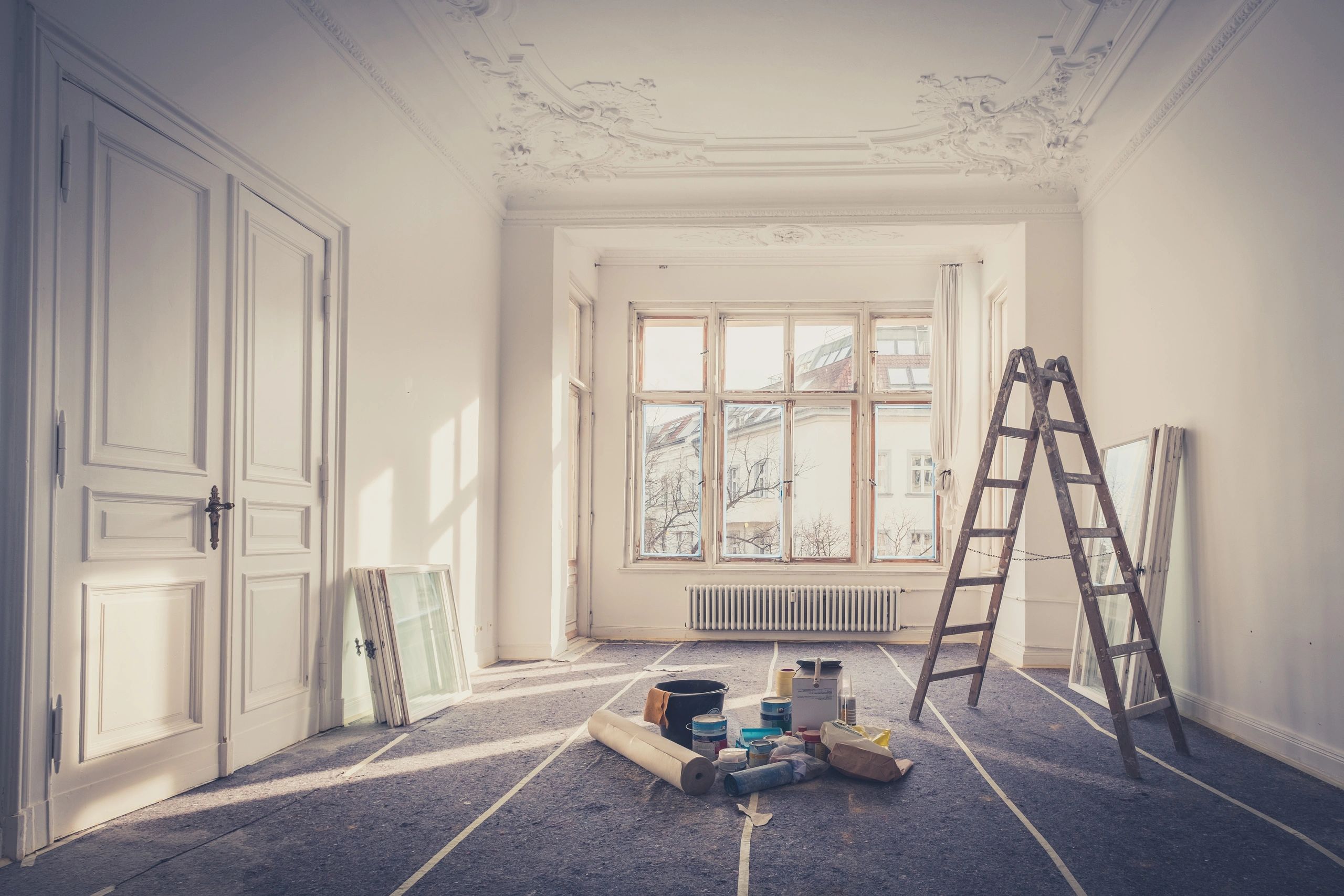
Painting your home can completely refresh its look, but one of the first questions many homeowners ask is: how much does it cost to paint a house? In Australia, costs can vary widely depending on size, materials, and labour. This guide will help you understand typical pricing and what influences it so you can budget confidently.
Factors Affecting House Painting Costs
Several factors impact the total cost of painting a house:
- Size of the Property: Larger homes naturally require more paint and labour.
- Paint Quality: Premium paints last longer but are more expensive upfront.
- Preparation Work: Sanding, filling cracks, and cleaning surfaces add to costs.
- Exterior vs Interior: Exterior painting often costs more due to ladders, scaffolding, and weather considerations.
- Access and Complexity: Multi-storey homes or intricate architectural details require extra time and safety equipment.
Understanding these elements helps homeowners anticipate costs before contacting painters.
Average Costs in Australia
On average, Australian homeowners can expect:
- Small Homes (1–2 bedrooms): $2,500–$5,000
- Medium Homes (3–4 bedrooms): $5,000–$10,000
- Large Homes (5+ bedrooms): $10,000–$20,000+
These estimates include both labour and materials. Variations depend heavily on your location, the type of paint used, and any preparatory work required.
Cost Breakdown: Materials vs Labour
Typically, labour accounts for around 60–70% of the total painting cost. Materials, including paint, primer, brushes, rollers, and drop cloths, make up the remainder. High-quality paints and finishes can increase the total but reduce maintenance costs over time.
Tips to Reduce Painting Costs
You don’t have to overspend to get a great finish. Consider:
- Get Multiple Quotes: Comparing 2–3 local painters ensures competitive pricing.
- Do Prep Work Yourself: Cleaning walls or removing old fixtures can lower labour costs.
- Limit Colour Changes: Drastic changes between rooms may require more coats of paint.
- Schedule Strategically: Painting in mild weather reduces drying issues and potential delays.
Even small adjustments can lead to meaningful savings without sacrificing quality.
Choosing the Right Painter
Selecting a professional painter like The Paint Pimp Pty Ltd ensures your project is completed efficiently and safely. Look for:
- Licenced and insured professionals
- Local experience and positive customer reviews
- Transparent pricing and written quotes
- Use of Australian Standard-compliant paints
Expert painters provide peace of mind, ensuring both aesthetic and structural longevity.
When to Call a Professional
While DIY painting is possible, call a professional if:
- You have multi-storey or high-access areas
- Surfaces need significant preparation or repair
- You want specialist finishes like textured walls or exterior protection
- Time is limited and you prefer a guaranteed finish
Contact The Paint Pimp Pty Ltd to discuss your project and receive a tailored quote. Their team can guide you through paint selection, preparation, and application for a smooth, long-lasting result.
Conclusion
Determining how much does it cost to paint a house? involves understanding property size, paint quality, preparation, and labour. With careful planning and professional advice, you can achieve a beautiful finish without unexpected expenses. For expert help and competitive pricing, reach out to The Paint Pimp Pty Ltd and bring your home’s vision to life.
FAQ
Q1: How long does it take to paint a house?
A: Average painting times vary by size and prep required. A standard 3-bedroom home usually takes 5–7 days for interior or exterior work.
Q2: Can I reduce costs by doing it myself?
A: Yes, prepping walls and removing old fixtures can lower labour costs, but professional painters handle high-access areas and finishes safely.
Q3: Does paint quality really affect cost?
A: Higher-quality paint costs more upfront but lasts longer, reducing future maintenance and touch-ups.
Q4: Should I paint interior and exterior at the same time?
A: It’s possible but may increase total costs. Many homeowners stagger projects to manage budget and minimise disruption.