

Introduction: Melbourne Weather Is Beautiful — Until It Isn’t
If you’ve lived in Melbourne for more than five minutes, you already know the drill. Four seasons in one day isn’t just a clever song lyric — it’s a genuine daily forecast. Blazing sun in the morning, coastal wind by lunch, and a surprise downpour before you’ve even made it to your afternoon coffee. For most things in life, this weather unpredictability is just part of Melbourne’s charm. But for your home’s exterior? It’s a legitimate challenge that demands a seriously smart approach to paint selection and application.
Exterior painting Melbourne isn’t simply about picking a colour you like from a swatch card. It’s about choosing a paint system that can handle UV radiation, salt air (especially in Bayside), temperature fluctuations, moisture, and the occasional hailstorm — all while keeping your home looking sharp year after year. Get it right, and your paint job will be the envy of the street for a decade. Get it wrong, and you’ll be watching it bubble, crack, and peel before you’ve even paid off the painter.
That’s exactly what this guide is for. Let’s walk through everything you need to know about choosing the right exterior paint for Melbourne’s unique conditions, so your home stays protected, beautiful, and properly done.
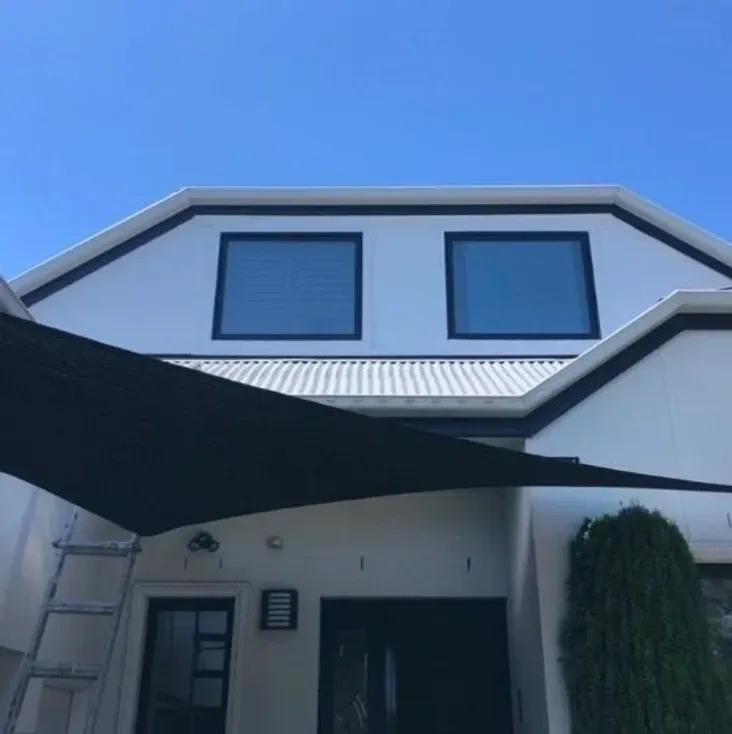
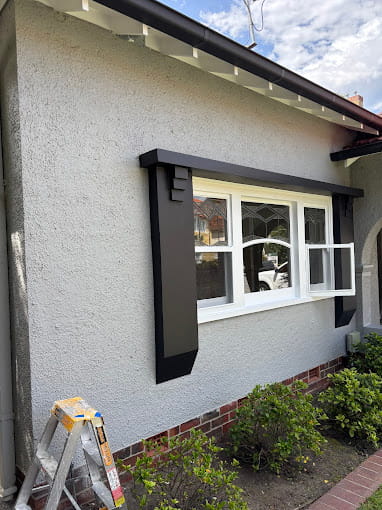
Melbourne’s weather isn’t just variable — it’s genuinely demanding on building materials and coatings. The Bayside suburbs in particular deal with a specific combination of conditions that can accelerate paint degradation faster than most homeowners realise. Salt-laden air from Port Phillip Bay is one of the biggest culprits. Salt is corrosive, and when it settles on painted surfaces — especially on timber, metal fixtures, and rendered facades — it works its way into the coating over time and breaks down adhesion from the inside out.
On top of that, the UV intensity in Melbourne is no joke. Australia has some of the highest UV levels in the world, and even on overcast days, UV radiation passes through the clouds and continues to degrade pigments and binders in low-quality paint. This is why cheap exterior paint often looks dull and chalky within a couple of years — the UV has literally broken down the paint’s chemistry. Professional exterior painters in Melbourne account for this by specifying paints with UV-stabilised formulas and high-quality resins that resist this kind of photodegradation.
Then there’s the thermal movement issue. Melbourne’s dramatic temperature swings — from cold winter mornings to scorching summer afternoons — cause building materials to expand and contract constantly. Paint that lacks sufficient elasticity simply can’t keep up with this movement, and over time, it cracks and allows moisture to penetrate behind the coating. Once moisture gets in, you’re dealing with blistering, mould, and potentially more serious structural issues. Choosing the right paint for exterior house painting in Melbourne means choosing one that’s specifically engineered to flex without failing.
Understanding Paint Types: What Actually Works for Melbourne Exteriors
Not all exterior paint is created equal, and understanding the difference between product types is genuinely useful when you’re planning an exterior home painting project in Melbourne. The two main categories you’ll encounter are water-based (acrylic) paints and oil-based (alkyd) paints, and each has its place depending on the substrate and conditions.
Water-based acrylic paints have largely become the go-to choice for most exterior applications in Melbourne, and for good reason. They’re highly flexible, which means they handle thermal movement well. They resist mould and mildew better than oil-based alternatives — a significant advantage in Bayside’s sometimes humid coastal conditions. They also allow moisture vapour to escape from walls (a property called breathability), which helps prevent the kind of blistering that trapped moisture causes. Modern premium acrylics have come an enormous way in terms of durability and finish quality, and most professional exterior painters in Melbourne specify them as the default option for rendered, masonry, and fibre cement surfaces.
Oil-based paints still have their advocates, particularly for timber surfaces and some metal fixtures. They penetrate timber more deeply, provide excellent adhesion, and produce a very hard, smooth finish. The trade-off is that they’re less flexible, take longer to dry, and can yellow over time — particularly in sheltered areas that don’t receive much direct sunlight. For most Melbourne exterior painting projects, a quality acrylic will outperform oil-based alternatives over the long term, but a skilled painter will know when and where an oil-based product is the better call.
There’s also a third category worth mentioning — specialty coatings. These include elastomeric paints (designed specifically for flexibility and crack-bridging on rendered surfaces), texture coatings, and anti-corrosion primers for metal surfaces. For homes in Bayside Melbourne that are exposed to salt air, an anti-corrosion primer on all metal elements before the topcoat is applied is not optional — it’s essential for longevity.
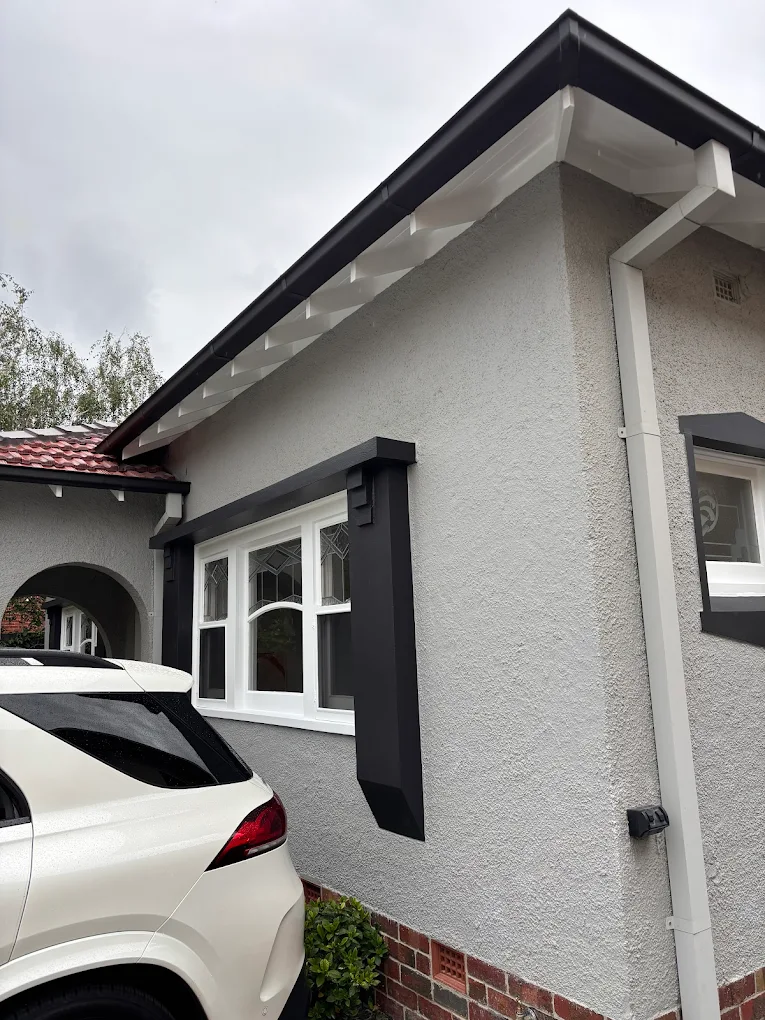
The Key Properties to Look for in Weather-Resistant Exterior Paint
When The Paint Pimp’s team is specifying paint for an exterior house painting project in Melbourne, there’s a checklist of properties that every product needs to tick before it makes it onto one of our clients’ homes. Understanding these properties helps you have a more informed conversation with your painter and make better decisions about the products going onto your biggest asset.
The most important properties in a weather-resistant exterior paint for Melbourne conditions are:
- UV resistance — Look for paints with UV-stabilised pigments and high-quality resin systems that won’t break down under Australia’s intense solar radiation. Some premium products include carbon-based UV blockers that dramatically extend colour retention and sheen life.
- Flexibility and elasticity — A paint with high elongation properties can stretch and recover with substrate movement without cracking. This is particularly important on rendered masonry and fibre cement, which are common in Melbourne’s Bayside homes.
- Mould and mildew resistance — Premium exterior paints include biocide additives that inhibit mould growth on the surface. In a coastal suburb where humidity can be higher, this is a genuine performance differentiator.
- Moisture resistance — A paint film that repels liquid water while still allowing vapour transmission gives you the best of both worlds — protection from rain and dew, without the trapped moisture issues that cause blistering.
- Alkali resistance — Rendered surfaces are often alkaline, particularly in new builds or after render repairs. Paints that aren’t alkali-resistant can react with the substrate and fail prematurely.
Ticking all of these boxes narrows the field considerably, and it’s the reason why professional home painters who do this every day have strong opinions about which products they’ll put their name behind.
Surface Preparation: The Unglamorous Secret to a Long-Lasting Paint Job
Here’s a truth that every professional exterior painter in Melbourne will tell you, but that too many homeowners discover too late — the paint itself is only half the story. Surface preparation is where a long-lasting paint job is really made or lost, and it’s the part of the process that’s easiest to cut corners on if you’re not paying attention.
Proper preparation for exterior house painting in Melbourne typically involves a thorough wash down to remove dirt, salt, mould, and chalking from the existing surface. High-pressure washing is commonly used, but it needs to be done with care — too much pressure on older render or timber can cause damage that creates more problems than it solves. After washing, the surface needs adequate drying time before any paint or primer is applied. Rushing this step on a Melbourne home in winter — when drying times are longer — is one of the most common causes of early paint failure.
From there, any cracks, holes, or damaged areas need to be filled and repaired properly. In Bayside, older homes often have render that has cracked with age or movement — and painting over those cracks without repairing them first is essentially just hiding a problem temporarily. The cracks will return, and they’ll take your new paint job with them. After filling, spot priming is applied to all repaired areas, and a full primer coat goes on any bare surfaces. The primer is not just about adhesion — it seals the surface, evens out porosity, and gives the topcoat the best possible foundation to bond to.
Skipping or shortchanging preparation is exactly why some exterior painting jobs look tired within two or three years, while a properly prepared and painted surface can look excellent for ten years or more. When you’re choosing residential exterior painting services in Melbourne, ask specifically about the preparation process — a quality contractor will be happy to walk you through it.
Colour Selection for Melbourne’s Coastal Light
Choosing the right colour for your home’s exterior isn’t just an aesthetic decision — in Melbourne, it’s also a practical one. The direction your home faces, the amount of direct sun it receives, and the surrounding environment all affect how a colour will look in real life compared to how it looked on a swatch. Bayside Melbourne’s coastal light is particularly bright and clear on sunny days, which can make colours look lighter and more washed-out than they appear in a showroom.
Very dark colours are a consideration worth thinking through carefully for Melbourne exteriors. Dark paint absorbs more heat, which can accelerate thermal movement in the substrate and potentially shorten the paint film’s life — particularly on surfaces that are directly sun-exposed for long periods. This doesn’t mean you can’t use deep, dramatic tones (they look incredible on a well-designed Bayside home), but it does mean that the quality of the paint product matters even more, and that proper preparation becomes non-negotiable.
For homes in Bayside suburbs that are directly facing the bay, lighter to mid-range tones in the warm neutral and coastal palette tend to perform well both aesthetically and practically. They reflect more heat, show less fading over time, and complement the architectural character of the area beautifully. The Paint Pimp’s team works with clients on colour selection as part of the residential painting Melbourne process — because getting the colour right the first time is much more satisfying than regretting it six months later.
What Melbourne’s Building Regulations Say About Exterior Painting
Before you commit to a colour scheme or start any exterior work, it’s worth checking whether your property falls within any heritage overlay or design guideline zone. Parts of Bayside Melbourne have local planning controls that place certain requirements or restrictions on exterior paint colours for heritage-listed or character properties. Getting caught out after the fact is frustrating and potentially expensive.
For a comprehensive understanding of your obligations, Consumer Affairs Victoria provides guidance on residential property works and your rights when engaging contractors — including what to expect from a compliant, professional painting service. It’s a useful resource before you sign any contract for exterior painting services in Melbourne.
This is also a good point to note that any reputable commercial painter in Melbourne should be fully licensed and insured. In Victoria, painting and decorating work above a certain value must be carried out by a registered domestic building practitioner. Before engaging any exterior painting service, ask to see their registration and public liability insurance documentation — a genuine professional will provide it without hesitation.
Why Hiring Professional Exterior Painters in Melbourne Is Worth It
There’s a particular kind of optimism that arrives with a long weekend and a YouTube tutorial. “How hard can exterior painting really be?” The answer, if you’re doing it properly, is: harder than it looks and more technical than most people anticipate. Professional exterior painters in Melbourne aren’t just people who are comfortable on a ladder — they’re trained in surface assessment, product selection, application technique, and safety management at height.
The difference between a DIY exterior paint job and a professionally executed one shows up in the finish, the coverage, the longevity, and often the speed. A professional team working on a residential exterior painting Melbourne project will complete the work efficiently, minimise disruption, and produce a result that’s properly prepared, correctly applied, and backed by workmanship. The Paint Pimp takes pride in being the kind of exterior painting service in Melbourne that clients trust with their home and recommend to their neighbours — because the work speaks for itself.
Beyond the quality of the finish, there’s also a practical safety consideration. Working at height on ladders and scaffolding carries real risks, and without the proper training and equipment, a weekend paint project can turn into an emergency. Professional painters work with appropriate safety systems as a matter of course — it’s part of the job, not an afterthought.
Timing Your Exterior Painting Project in Melbourne
In Melbourne, timing a painting project well can be the difference between a smooth, successful job and a frustrating one. The ideal window for exterior house painting in Melbourne is the drier, milder months — typically late spring through to early autumn. This gives you longer daylight hours, lower humidity, and more stable temperatures — all of which contribute to better paint application and drying conditions.
Winter painting is possible, and sometimes necessary, but it comes with additional considerations. Low temperatures slow drying times significantly, and dew and moisture in the early morning can affect surface conditions. A professional exterior painting service in Melbourne will know how to manage these variables — using appropriate products with lower minimum application temperatures and adjusting the work schedule to take advantage of the best conditions each day.
Avoid painting in direct, intense summer sun if possible. Paint applied to an extremely hot surface can dry too quickly at the surface level before the film has time to properly flow and bond, which affects adhesion and finish quality. Early morning application in summer conditions tends to produce better results. These are the kinds of practical details that experienced residential exterior painting Melbourne teams manage automatically — it’s second nature when you’ve done thousands of projects.
Conclusion
Exterior painting in Melbourne is about far more than colour choice — it’s a genuine investment in your home’s protection, structural integrity, and long-term value. Melbourne’s climate, and particularly the coastal conditions in Bayside, demands paint products that are specifically engineered for UV resistance, flexibility, salt resistance, and moisture control. Equally important is thorough surface preparation, smart timing, and working with professional exterior painters in Melbourne who understand the local conditions and know how to produce a result that lasts. From choosing the right weather-resistant exterior paint to understanding surface preparation, colour selection, and compliance requirements, every decision in the process contributes to an outcome you’ll either love or regret for the next decade.
If you’re ready to give your home the exterior it deserves, The Paint Pimp is here to make it happen. Our team brings real expertise, premium products, and a genuine commitment to quality to every residential and commercial exterior painting project in Melbourne. Don’t leave your home’s biggest first impression to chance — get in touch with The Paint Pimp today and let’s talk about how we can transform and protect your exterior for years to come.
FAQs About Exterior Painting in Melbourne
1. How long does an exterior paint job typically last in Melbourne’s climate?
A properly prepared and professionally applied exterior paint job in Melbourne should last between eight and twelve years in most conditions, with some high-quality products and excellent preparation pushing that further. Factors that affect longevity include the quality of the paint product, the thoroughness of surface preparation, the aspect and exposure of the home, and how well minor maintenance (like touching up small cracks before they become bigger ones) is kept up over the years. Bayside homes exposed to salt air may see slightly shorter intervals if the paint system used isn’t specifically formulated for coastal conditions.
2. What’s the best type of paint for a rendered home in Bayside Melbourne?
For rendered masonry surfaces, a premium water-based acrylic in a low-sheen or satin finish is generally the best choice for exterior house painting in Melbourne’s coastal areas. Look for products with high elasticity, strong mould resistance, and UV-stabilised pigments. An elastomeric coating is worth considering if the render has a history of hairline cracking, as its crack-bridging properties provide added protection. The Paint Pimp’s team assesses each home’s specific surface condition and recommends the most appropriate system accordingly.
3. Do I need to repaint my whole house, or can I just touch up problem areas?
This depends on the current state of your paint and how old it is. Spot repairs and touch-ups are effective for minor localised damage on an otherwise sound paint system that’s in relatively early life. However, if the paint is generally aged, chalking, or failing in multiple areas, a full repaint is almost always the better investment. Patching into old, degraded paint rarely produces a seamless result, and the underlying issues will continue to progress. A professional exterior painter in Melbourne can assess your home’s current condition and give you an honest recommendation.
4. Is it worth spending more on premium exterior paint?
In short — yes, and significantly so. The difference in performance between a budget exterior paint and a premium product is dramatic over a ten-year period. Premium paints offer better UV resistance, greater flexibility, superior mould inhibition, and richer colour retention. When you factor in the cost of labour for a repaint, the paint product itself represents a relatively small proportion of the total project cost. Saving money on paint but having to repaint five years earlier than necessary is almost never the economical choice it appears to be upfront.
5. How do I know if my home’s exterior needs repainting?
There are a few clear signs that it’s time to engage exterior painting services in Melbourne. Chalking — where the paint surface becomes powdery and transfers onto your hand when you touch it — indicates that the paint binders have broken down and the coating is at end of life. Cracking, peeling, or flaking paint is an obvious indicator, particularly if it’s occurring in multiple locations. Significant fading or discolouration, visible mould or mildew growth on the surface, and areas where paint is no longer adhering to the substrate all signal that a repaint is overdue rather than optional.